
Remedial Massage in Buderim
- Focus areas chosen by you
- Pressure agreed before & during treatment
- Nancy holds a Diploma of Remedial Massage
Treatment Directed Where You Want It
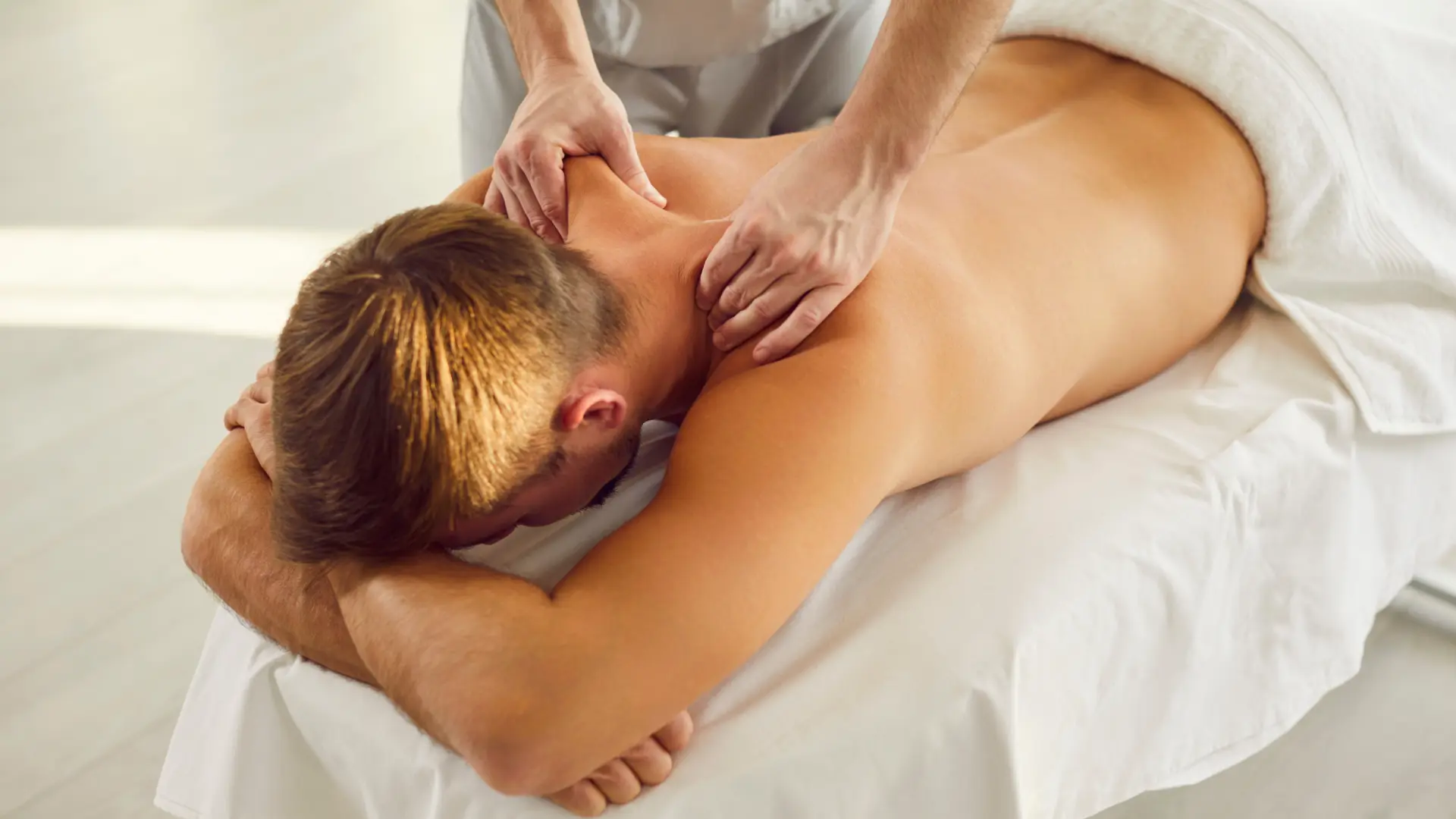
Perhaps your shoulders feel tight after long days at a desk, or one calf always stiffens after a weekend run. At Nancy's Traditional Thai Massage, we offer remedial massage in Buderim that concentrates on the areas you name instead of working through a set full-body routine. Techniques can include trigger-point pressure, deep tissue strokes and other targeted hands-on methods.
Nancy holds an Australian Diploma of Remedial Massage, and we'll talk through the plan with you before starting. If slower, firmer work across larger muscle groups appeals more, our sports deep tissue massage is worth comparing.
Pain that's new, worsening or linked to an injury should be checked by your GP or physiotherapist first. Call (07) 5456 4915 to book.
Planning Your Remedial Session
A remedial appointment comes together around four practical decisions.
- Where to work: You choose the muscles or regions you'd like included. The session can stay on one or two areas instead of covering the whole body.
- Which techniques: Trigger-point work and slow deep tissue strokes are both part of our remedial approach. The mix depends on the areas you've chosen.
- How firm: Remedial pressure is often firmer than a relaxation massage, but it isn't fixed. Speak up at any point and the therapist will ease off or adjust.
- Whether to claim: Some extras policies include remedial massage. Check your cover and your insurer's provider rules before your visit.
No Anatomy Knowledge Needed
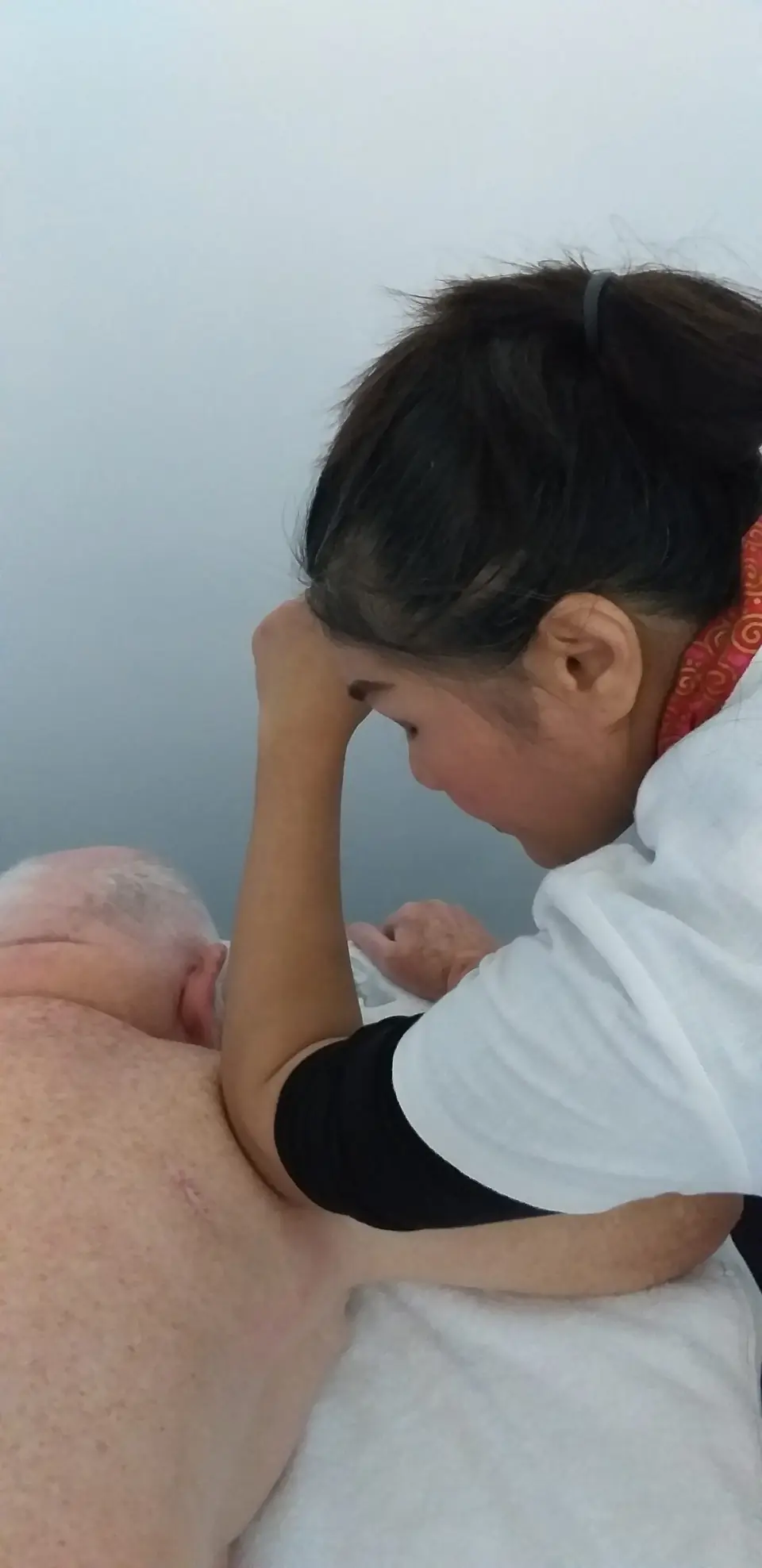
You don't need to know muscle names or technique terms to book a remedial massage. It's enough to point to where you'd like attention and mention how previous massages have felt, whether the pressure was too light, too firm or about right.
From there, the therapist explains which techniques they plan to use and where. Some sessions spend most of the time on a single shoulder or the lower back; others move between two or three nominated areas. If a technique doesn't sit well with you, say so and it'll be changed.
It also helps to mention recent surgery, a diagnosed condition or changes to your medication when you book. That information lets us decide whether to go ahead, adjust the plan or suggest you speak with your doctor first.
FAQs
Remedial massage directs targeted techniques at specific muscles or areas. Relaxation massage uses long, flowing strokes over a broader area with a more even rhythm.
No, firmness depends on the technique, the area and what feels comfortable for the person receiving it. Pressure can be lighter in sensitive spots and firmer elsewhere within the same session.
Diagnosis sits with doctors and physiotherapists, not massage therapists. A suspected injury should be assessed by one of those professionals before booking a massage.